Grade 11 · SCH3U · Chemistry

SCH3U Chemical Reactions Practice Test (with Solutions)

SCH3U Chemistry

Unit Test: Chemical Reactions

Name: Date: Time:
KTCATotal
/15/15/10/10/50

Show all your work. Answers without supporting work get part marks at most.

Part A: Knowledge & Understanding

1.
Which of these elements will displace aluminum in a single displacement reaction? Activity series of metals, most active first: Li, K, Ba, Ca, Na, Mg, Al, Zn, Cr, Fe, Ni, Sn, Pb, H, Cu, Ag, Au
[1 K]
  1. Zinc
  2. Tin
  3. Lead
  4. Magnesium
Show solution
d) Magnesium

A metal displaces another metal from its compound only if it is higher in the activity series. Magnesium is above aluminum, so it displaces aluminum. Zinc, tin and lead are all below aluminum, so none of them can.

2.
Which of the following will not result in a chemical reaction? Activity series of metals, most active first: Li, K, Ba, Ca, Na, Mg, Al, Zn, Cr, Fe, Ni, Sn, Pb, H, Cu, Ag, Au. The metals from Li to Na also react with cold water.
[1 K]
  1. Gold is added to a solution of iron(II) sulfate
  2. Zinc is placed into a lead(II) nitrate solution
  3. Sodium is placed into cold water
  4. Aluminum is dipped into a zinc nitrate solution
Show solution
a) Gold is added to a solution of iron(II) sulfate

Gold is at the bottom of the activity series, far below iron, so it cannot displace iron from iron(II) sulfate. Nothing happens. Zinc is above lead and aluminum is above zinc, so both of those metals displace the metal in the solution. Sodium is active enough to react with cold water, forming sodium hydroxide and hydrogen gas.

3.
Water and carbon dioxide are produced during a reaction. What type of reaction has occurred?
[1 K]
  1. Single displacement
  2. Synthesis
  3. Double displacement
  4. Combustion
Show solution
d) Combustion

The complete combustion of a hydrocarbon (or of another compound of carbon and hydrogen) in oxygen produces carbon dioxide and water. A single displacement produces an element and a compound, a synthesis produces one compound, and a double displacement produces two new compounds by exchanging ions.
End of test22 questions, 50 marks

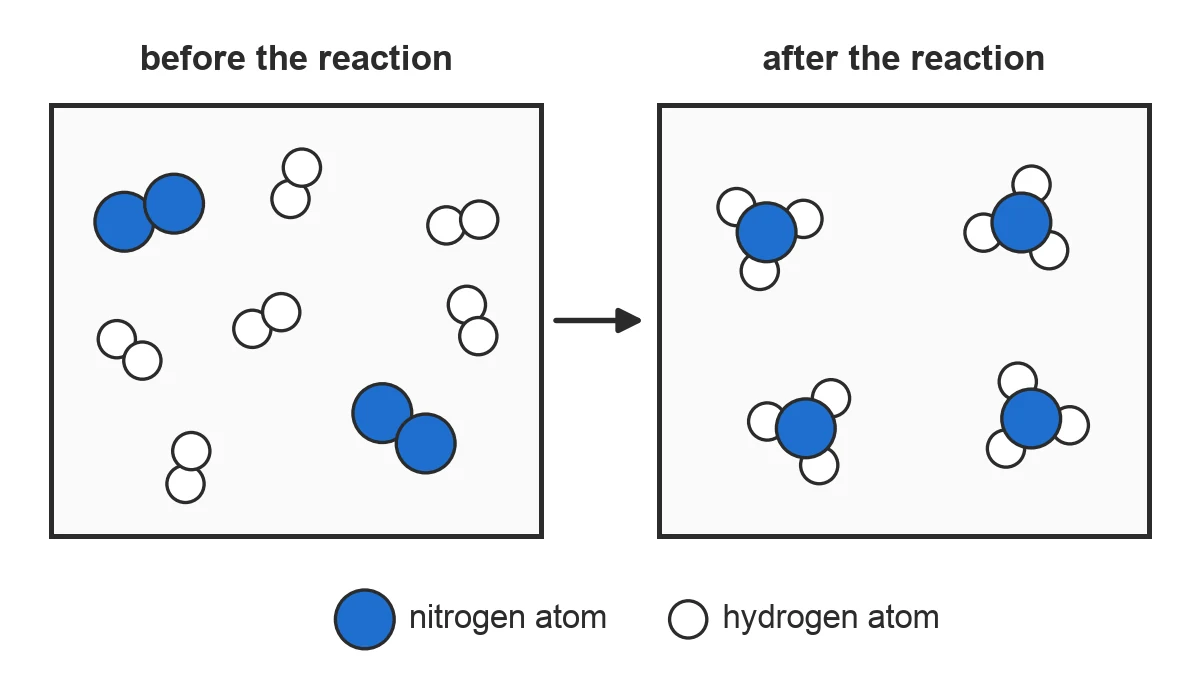
Chemical Reactions is about reading a reaction and finishing it. Your test will ask you to balance equations, name the reaction type, use the activity series to decide whether a single displacement happens, and predict products, including what oxides make in water. Try each question below on paper, then open the solution.

78 questions, 4 tests, 5 lessons

Start the Chemical Reactions test free

Unit 2 of 5 in Martian Lab's SCH3U order. Your school may number its units differently.

This Unit on Martian Lab

The lessons start with the conservation of mass and balancing equations, then cover the five reaction types, the activity series, and combustion, oxides in water and product tests.

  1. Balancing Chemical Equations
  2. Chemical Equations and the Conservation of Mass
  3. Combustion, Oxides in Water and Product Tests
  4. Five Types of Chemical Reactions
  5. The Activity Series and Single Displacement

Then 4 full Chemical Reactions practice tests to check yourself.

Try Chemical Reactions questions free

Chemical Reactions FAQ

What is on an SCH3U chemical reactions test?+

Writing and balancing chemical equations, synthesis, decomposition, single and double displacement and combustion reactions, the activity series, predicting products, oxides in water and tests for common gases.

How do you use the activity series?+

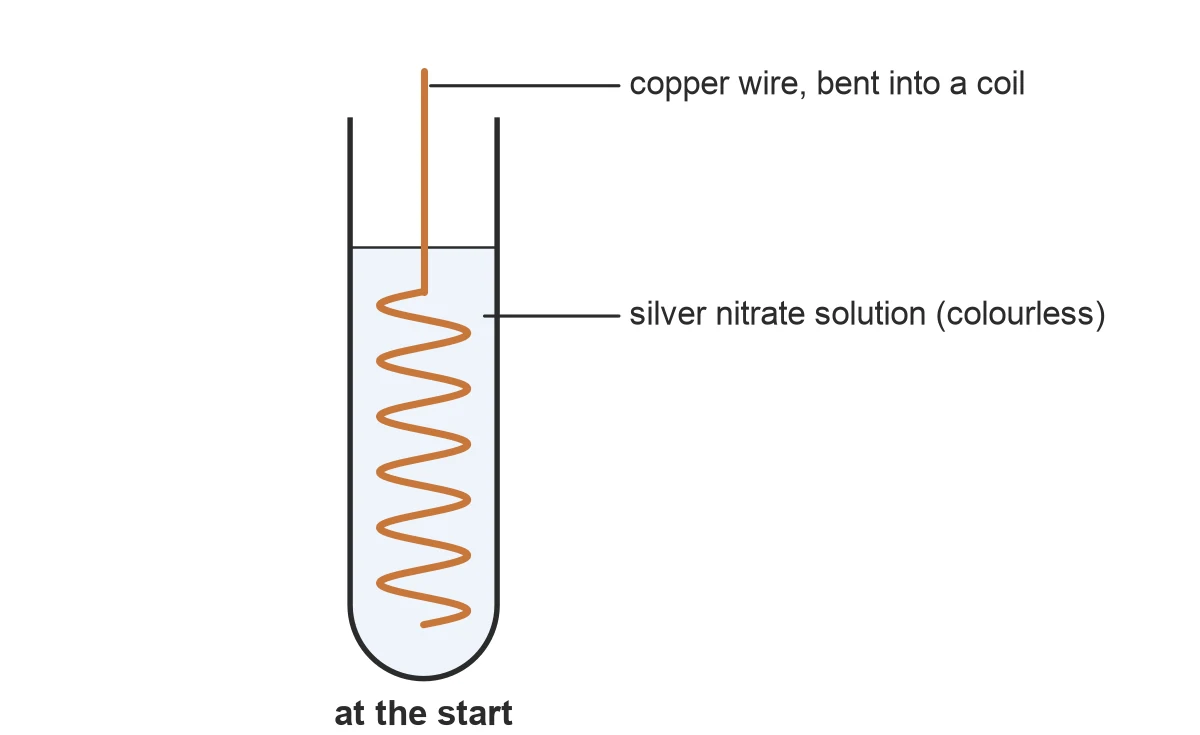
A metal replaces another metal in a compound only if it sits higher on the activity series. Zinc is above copper, so zinc in copper(II) sulfate solution forms zinc sulfate and copper. Copper in zinc sulfate does nothing.

How do you know a double displacement reaction happens?+

It goes when a product leaves the solution: a precipitate, a gas, or water. Swap the partners, then check the solubility rules. If both new compounds are soluble, nothing happens.

Start Practicing

No credit card required to start.

Get started free